AVOCADO
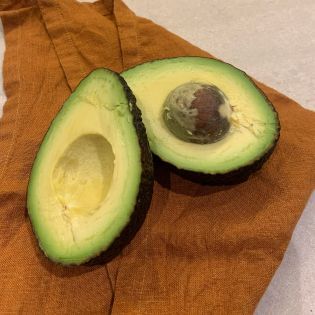
The avocado, also known as Persea americana, is a powerhouse superfood. Avocados contain healthy fats, anti-aging, disease-fighting antioxidants, and nearly 20 vitamins and minerals. Regular avocado eaters have higher intakes of fiber, vitamins E and K, magnesium, and potassium than those who don't eat avocados. The popularity of avocado is down to its rich, creamy texture and mild flavour.
Nutritional Content Of Avocado (100g)
- Calories - 160kcal
- Fats - 15g
- Carbohydrates - 8.5g
- Fiber - 6.7g
- Proteins - 2g
Helps Manage Weight
- The notion that eating fat makes you gain weight is wrong. Eating healthy fats is a savvy weight management strategy. Having one avocado a day in a calorie-controlled diet for 12 weeks, while adding fat and calories, didn't prevent weight loss. Plant-based fats like those in an avocado provide antioxidants and fight inflammation, which has been linked to healthy weight management. Eating avocados regularly may help you to maintain a healthy weight, even without eating fewer calories.
High In Fiber
- Avocados increase your soluble and insoluble fiber intake. Soluble fiber slows down digestion and the absorption of ingested fats and carbohydrates. Insoluble fiber, on the other hand, adds bulk to your stool and helps to eliminate digested food from your intestines. Eating healthy fats helps slow stomach emptying, which keeps you full longer than usual and delays the return of hunger. This satisfied feeling is known as satiety. Avocados, whose fat content primarily comes from heart-healthy monounsaturated fatty acids (MUFAs), fit that category.
Keeps The Heart Healthy
- Avocados are high in fat with 60 per cent of this being monounsaturated fats, which research suggests helps to protect against heart disease and lower blood pressure. They are also an excellent source of potassium, folate and fibre, all of which benefit the heart and cardiovascular system. The oils supplied by avocado include oleic acid and linoleic acid. These unsaturated fats are recommended as part of a balanced diet to help manage cholesterol.
Improves Skin Health
- Avocado oil is rich in fatty acids and nutrients that may benefit your skin. It’s a good source of vitamins A and E, which are linked to skin membrane health. Consuming a diet rich in unsaturated fatty acids, vitamins A and E, and antioxidants is associated with healthier skin.
Loaded With Nutrients
- The health benefits of avocados are almost endless! Rich in folate, they’re also high in vitamin C and antioxidants, and is a good source of vitamin E, B5, K, fibre and niacin. Avocado is the only fruit (apart from olives) that contains ‘good’ monounsaturated fat, which protects against heart disease and helps lower blood pressure. Avocado’s soft and creamy texture and mild flavour make them an ideal first food for babies too. The vitamins and minerals in avocados also help infant growth and development, brain function, muscles and nerves, and immunity – just to name a few. The healthy fats in avocado help our body absorb the nutrients from other foods. Avocado is the only fruit (apart from olives) that contains ‘good’ monounsaturated fat, which protects against heart disease and helps lower blood pressure.