Banana Leaves | Banana Leaf Uses and Benefits | Traditional Cooking Guide | Natural Food Wrapping
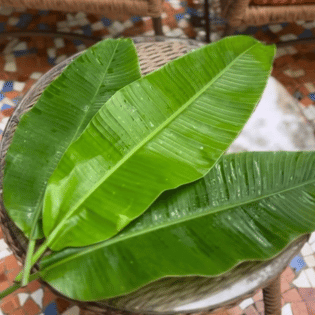
Banana leaves have been used for centuries in Indian and Southeast Asian cultures for serving food, cooking, and even medicinal purposes. Known for their large size, vibrant green color, and natural aroma, banana leaves are more than just an eco- friendly alternative to plates. When hot food is served on them, the leaves release natural plant compounds and antioxidants that may add subtle flavor and health benefits to the meal. They are biodegradable, hygienic, and deeply rooted in traditional wellness practices.
While banana leaves are not usually consumed directly, they contain beneficial plant compounds and natural antioxidants such as:
- Polyphenols – natural antioxidants also found in green tea
- Plant-based compounds that may have antibacterial properties
- Natural wax coating that gives food aroma and shine
- Chlorophyll content which contributes to their rich green color
Rich in Natural Antioxidants
- Banana leaves contain polyphenols, which are natural antioxidants known to help
- fight free radicals in the body. When hot food is placed on the leaves, some of these
- beneficial compounds may transfer to the food. Antioxidants support overall wellness
- and help protect cells from oxidative stress.
Enhances Flavor and Aroma of Food
- Food served or cooked in banana leaves develops a unique earthy aroma and subtle
- flavor. The natural oils and waxy coating of the leaves add freshness to dishes,
- especially rice preparations, steamed foods, and grilled recipes. This is why many
- traditional dishes are wrapped and cooked in banana leaves.
Hygienic and Eco-Friendly
- Fresh banana leaves have natural antibacterial properties and are generally clean
- and safe for serving food. They are also biodegradable and environmentally friendly,
- making them a sustainable alternative to plastic or disposable plates. Using banana
- leaves helps reduce waste and supports eco-conscious living.
Helps Retain Moisture While Cooking
- Banana leaves act as a natural wrapper that traps steam and moisture inside food
- while cooking. This helps keep dishes soft, juicy, and flavorful without needing
- excess oil or fats. They are commonly used for steaming fish, idlis, patholis, and
- other traditional recipes.
Connected to Traditional Wellness Practices
- In Ayurveda and traditional Indian culture, eating on banana leaves is considered
- beneficial for digestion and overall well-being. The practice is associated with
- cleanliness, positivity, and mindful eating. Banana leaves are also widely used during
- festivals and special occasions, symbolizing purity and abundance.
- Banana leaves are much more than a traditional serving method—they offer natural
- antioxidants, enhance food flavor, and provide an eco-friendly way to enjoy meals.
- From supporting sustainable living to improving the dining experience with their
- aroma and freshness, banana leaves continue to hold cultural and nutritional
- significance. Incorporating their use in cooking and serving is a simple way to
- combine tradition, health, and sustainability in everyday life.