Dates vs. Jaggery – Which Natural Sweetener Should You Choose?
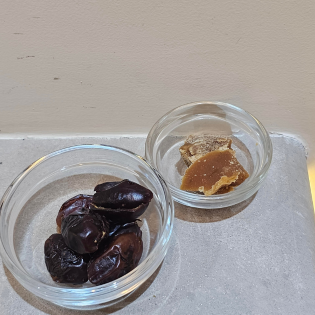
Natural sweeteners have been part of traditional diets for centuries, offering a healthier alternative to refined sugar. Among the most popular are dates and jaggery — both rich in nutrients, both sweet, and both rooted in heritage. While they may seem similar, they differ in taste, nutritional composition, uses, and health impact. Understanding these differences can help you choose the right one for your lifestyle and recipes.
Nutritional Content (per 100g) -
- Nutrient Dates Jaggery
- Calories ~277 kcal ~383 kcal
- Carbohydrates ~75 g ~98 g
- Protein ~1.8 g ~0.4 g
- Fiber ~6.7 g ~0.6 g
- Fats ~0.2 g ~0.1 g
Uses in Cooking
- Dates -
- Commonly eaten as a snack or stuffed with nuts for festive treats. Used in smoothies, energy bars, and natural sweet spreads. Chopped dates add texture and sweetness to cakes, puddings, and halwas. Can be blended into a paste to replace sugar in baking. Perfect for raw, no-cook desserts.
- Jaggery -
- Popular in Indian sweets like chikki, laddoos, and payasam. Used to sweeten chai, coffee, and herbal teas. Adds depth of flavor to curries, rasam, and winter dishes. Often melted with ghee and nuts for quick traditional snacks. Essential in festive sweets like gur halwa and til ladoos.
Health Benefits
- Dates -
- Rich in dietary fiber for better digestion and gut health. Packed with potassium, magnesium, and antioxidants. Natural energy booster due to natural sugars like glucose and fructose. Supports heart health with its low fat and cholesterol-free profile. Helps reduce inflammation due to polyphenols.
- Jaggery - Excellent source of iron, helping in anemia prevention. Detoxifies the liver by flushing out toxins. Aids digestion by activating digestive enzymes. Provides warmth to the body, ideal for winter consumption. Rich in minerals like magnesium, potassium, and phosphorus.
Health Differences
- Fiber Content – Dates are far richer in fiber, making them better for digestion and satiety.
- Iron Levels – Jaggery contains more iron, making it helpful for improving hemoglobin levels.
- Calorie Count – Jaggery is more calorie-dense than dates; dates are better for calorie-conscious diets.
- Natural vs. Processed – Dates are consumed in their natural dried fruit form, while jaggery is processed from sugarcane or palm sap (though still unrefined).
- Sugar Release – Dates have a lower glycemic index than jaggery, making them more suitable for managing blood sugar.
Taste Differences
- Dates - Sweetness is soft, caramel-like, and fruity. Flavor varies depending on the variety (Medjool, Ajwa, Deglet Noor). Adds a chewy texture when used whole or chopped. Works well in both sweet and savory dishes. Naturally moist and sticky.
- Jaggery - Sweetness is deep, earthy, and slightly smoky. Flavor varies with the source — sugarcane jaggery is lighter, palm jaggery is more robust. Melts smoothly in warm dishes. Perfect for recipes where a rich caramel taste is desired. Crumbly or block form offers a rustic appeal.
Which One Should You Choose?
- For Weight Management – Dates (lower calories, higher fiber).
- For Iron Deficiency – Jaggery (much higher iron content).
- For Quick Energy – Dates (natural glucose and fructose boost).
- For Traditional Sweets – Jaggery (authentic flavor in Indian desserts).
- For Blood Sugar Control – Dates (lower glycemic index).
- Dates and jaggery are both excellent natural sweeteners with their own unique benefits. Dates win in fiber and digestive health, while jaggery shines in iron content and traditional Indian recipes. Instead of choosing one over the other, you can include both in your diet — using dates for snacks and smoothies, and jaggery for cooking and festive sweets.