Dragon Fruit | Benefits of Dragon Fruit | How to Use Dragon Fruit | Dragon Fruit Guide
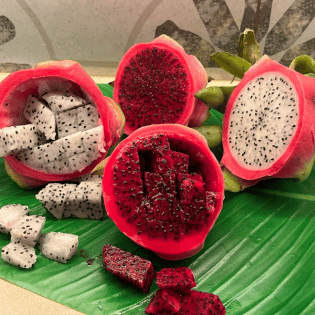
Pink Dragon Fruit vs White Dragon Fruit
- Dragon fruit, also known as pitaya, is a tropical fruit known for its vibrant appearance, refreshing
- taste, and impressive nutritional value. The two most common varieties are pink-fleshed dragon
- fruit (often called red dragon fruit) and white-fleshed dragon fruit. While both have bright pink
- skin, they differ in the color of their flesh, sweetness, antioxidant content, and nutritional profile.
- Both are low in calories and rich in fibre, making them a healthy addition to any diet.
Nutritional Content (Per 100g)
- Pink Dragon Fruit (Red Flesh):
- Pink dragon fruit provides approximately 60 calories, 0.2 g fats, 1.2 g proteins, 13 g
- carbohydrates, and 3 g fibre. It is especially rich in betalains, vitamin C, antioxidants, and
- magnesium.
- White Dragon Fruit (White Flesh):
- White dragon fruit provides approximately 57 calories, 0.1 g fats, 1.1 g proteins, 13 g
- carbohydrates, and 2.9 g fibre. It is a good source of vitamin C, fibre, magnesium, and iron.
Key Differences Between Pink and White Dragon Fruit
Flesh Color
- The biggest difference is the flesh. Pink dragon fruit has vibrant pink or deep magenta flesh,
- while white dragon fruit has bright white flesh with tiny black edible seeds. Both varieties have
- the same striking pink outer skin.
Taste and Sweetness
- Pink dragon fruit is generally sweeter, juicier, and has a richer berry-like flavor. White dragon
- fruit has a milder, subtly sweet taste and is often considered more refreshing. The choice depends
- on personal preference.
Antioxidant Content
- Pink dragon fruit contains higher levels of betalains, the natural pigments responsible for its
- bright color. These antioxidants help protect cells from oxidative stress and support heart health.
- White dragon fruit also contains antioxidants but in lower amounts.
Nutritional Benefits
- Both varieties are excellent sources of fibre, vitamin C, and magnesium. However, pink dragon
- fruit offers a slight nutritional advantage due to its higher antioxidant content, while white
- dragon fruit is equally hydrating and refreshing.
Best Uses
- Pink dragon fruit is ideal for smoothie bowls, desserts, juices, and colorful fruit platters because
- of its vibrant color. White dragon fruit is commonly eaten fresh, added to fruit salads, smoothies,
- or infused water for a light and refreshing flavor.
- Both pink and white dragon fruit are nutritious, low-calorie fruits that support digestion,
- hydration, and immunity. Pink dragon fruit stands out for its sweeter taste and higher antioxidant
- content, while white dragon fruit offers a mild flavor and refreshing texture. Including either
- variety in your diet is a delicious way to enjoy more fibre, vitamins, and antioxidants while
- adding vibrant color to your meals.