Horse Gram Benefits | Kulthi Dal Nutrition | Traditional Indian Superfood | Weight Friendly Legume
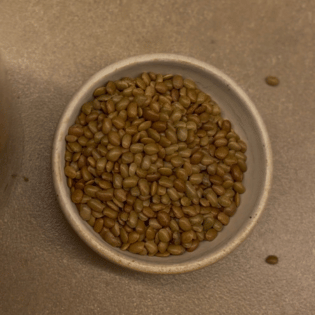
Horse gram, known as Kulthi in Hindi and Hurali in Kannada, is one of India’s oldest and most resilient pulses. Traditionally consumed in rural and Ayurvedic diets, horse gram is especially valued during colder months for its warming nature and medicinal properties. Though often overlooked in modern kitchens, this humble legume is a nutritional powerhouse, rich in protein, fibre, and essential minerals. Used in soups, dals, rasam, chutneys, and sprouted preparations, horse gram supports strength, digestion, and overall metabolic health.
Nutritional Content of Horse Gram (per 100g, raw)
- Nutrient Amount
- Calories 321 kcal
- Total Fat 0.5 g
- Carbohydrates 57 g
- Protein 22 g
- Dietary Fibre 5–6 g
- Horse gram is also a good source of iron, calcium, phosphorus, magnesium, and
- polyphenol antioxidants.
Supports weight management
- One of the most important benefits of horse
- gram is its ability to support weight management and fat metabolism.
- Traditionally used in Ayurvedic diets for reducing excess body fat, horse gram
- is high in protein and fibre, which promotes satiety and helps control appetite.
- Its low glycemic impact supports stable blood sugar levels, making it
- beneficial for people managing diabetes or insulin resistance when consumed
- in moderation.
High fibre content
- Horse gram is highly beneficial for digestive health due to
- its fibre content and warming nature. It stimulates digestive fire, improves
- metabolism, and helps prevent constipation when properly soaked, cooked, or
- sprouted. In traditional practices, horse gram soups are used to relieve
- indigestion and sluggish digestion, especially during colder seasons.
Strengthens muscles
- Another key benefit of horse gram is its role in
- strengthening bones and muscles. It contains calcium, phosphorus, and
- magnesium, which support bone density and muscular function. Combined
- with its high protein content, horse gram helps maintain physical strength,
- making it especially useful for individuals with active lifestyles or those
- recovering from weakness.
Supports heart health
- - Horse gram also supports heart health by helping
- regulate cholesterol levels and improve circulation. The soluble fibre helps
- reduce bad cholesterol, while antioxidants protect blood vessels from
- oxidative stress. Regular inclusion in a balanced diet may help lower the risk
- of cardiovascular conditions.
Detoxifies the overall system
- Lastly, horse gram has traditionally been used
- to support kidney and urinary health. It is believed to help in flushing toxins
- from the body and is often included in diets aimed at preventing kidney stones
- and supporting urinary tract function. Its diuretic properties, combined with
- high mineral content, make it a valuable legume in traditional wellness
- systems.
- Horse gram is a powerful example of traditional Indian nutrition that prioritizes
- strength, balance, and long-term health. From supporting digestion and metabolism
- to improving bone strength and heart health, this ancient pulse offers comprehensive
- benefits that are highly relevant today. Reintroducing horse gram into modern diets is
- a simple yet effective way to reconnect with time-tested food wisdom and nourish the
- body naturally.