Indian Winter Vegetables
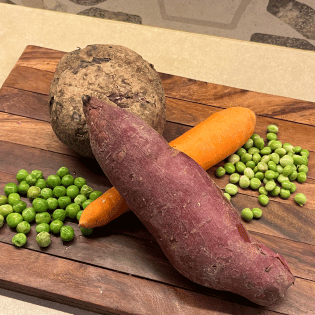
In traditional Indian food wisdom, eating with the seasons is considered essential for maintaining balance, immunity, and digestion. Winter, or Shishir Ritu, is a time when the body needs warmth, nourishment, and strength. Nature responds by offering vegetables that are grounding, energy-rich, and packed with nutrients. Traditional Indian winter vegetables like lilva beans, suran (yam), sweet potatoes, carrots, green garlic, and fresh peas are not only comforting but also deeply nourishing. These seasonal foods have been part of Indian kitchens for generations, supporting immunity, digestion, and overall vitality during colder months.
Lilva Beans (Fresh Hyacinth Beans)
- Calories: ~45 kcal per 100 g
- Lilva beans are rich in plant protein and dietary fibre, making them
- nourishing and filling. They support muscle strength and sustained
- energy during winter months. Their warming nature helps improve
- digestion and metabolism. Lilva beans also support immunity and are
- especially beneficial for growing children and active adults.
Suran (Yam)
- Calories: ~95 kcal per 100 g
- Suran is a deeply grounding root vegetable known for providing strength
- and warmth. It is rich in complex carbohydrates that give long-lasting
- energy. When cooked properly, it supports digestion and gut health.
- Suran also helps reduce joint stiffness and weakness common in colder
- weather.
Sweet Potatoes
- Calories: ~86 kcal per 100 g
- Sweet potatoes are rich in fibre, vitamin A, and antioxidants that support
- immunity and eye health. They provide slow-releasing energy, keeping
- you full for longer. Their natural sweetness satisfies cravings in a healthy
- way. Sweet potatoes also promote good digestion and support skin
- health in winter.
Carrots
- Calories: ~41 kcal per 100 g
- Carrots are packed with beta-carotene, which supports immunity and
- skin health. They help improve vision and protect the body from
- oxidative stress. Carrots are easy to digest when cooked and add
- natural sweetness to winter meals. They also support gut health and
- overall vitality.
Green Garlic
- Calories: ~42 kcal per 100 g
- Green garlic is known for its immune-boosting and anti-inflammatory
- properties. It helps improve digestion and reduce bloating during winter.
- Rich in antioxidants, it supports heart health and circulation. Green garlic
- also helps keep the body warm and energised.
Fresh Green Peas
- Calories: ~81 kcal per 100 g
- Fresh peas are rich in plant protein, fibre, and essential vitamins. They
- help provide sustained energy and support muscle repair. Peas are
- beneficial for digestion and gut health. Their nutrient density supports
- immunity and overall strength during colder months.
Basic health Benefits of all winter vegetables include
- 1) Supports Immunity - Winter vegetables like carrots, peas, and green
- garlic are rich in antioxidants and vitamin C that strengthen immunity.
- They help protect the body from common winter colds, coughs, and
- infections.
- 2) Improves Digestion - Warming vegetables such as suran and sweet
- potatoes support better digestion in cold weather. Their fibre helps
- prevent heaviness and constipation common during winter.
- 3) Provides Energy & Nourishment - Lilva beans, peas, and yams
- provide slow-releasing energy and plant protein. They keep the body
- nourished and strong throughout the day.
- 4) Maintains Bone Health - Minerals like calcium, magnesium, and
- potassium support bone and muscle strength. Their warming nature also
- helps reduce joint stiffness in winter.
- 5) Supports Skin Health - Winter vegetables nourish the skin from within
- and help prevent dryness. Their vitamins and antioxidants promote a
- healthy glow despite cold weather.
- Indian winter vegetables are a beautiful example of nature’s seasonal
- intelligence. Foods like lilva beans, suran, sweet potatoes, peas, and
- carrots are not just ingredients but time-tested nutritional tools that
- support immunity, digestion, strength, and warmth. By choosing
- seasonal and traditional winter vegetables, we align our diet with
- nature’s rhythm and give our bodies exactly what they need during the
- colder months. Incorporating these vegetables into daily meals is a
- simple yet powerful way to stay healthy, energized, and balanced
- throughout winter.