Red Cabbage | Benefits of Red Cabbage | How to Use Red Cabbage | Purple Cabbage Guide
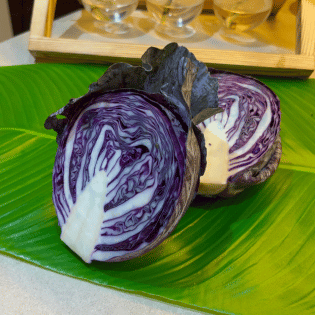
Red cabbage, also known as purple cabbage, is a crunchy vegetable with a mild, slightly peppery flavour and vibrant colour. It can be eaten raw in salads and slaws or cooked in stir-fries, soups, rice dishes, and vegetable preparations. Its firm leaves hold their texture well, making it suitable for both fresh and cooked recipes. Slice it thinly for salads or cook it briefly to retain some crunch. Adding a little lemon juice or vinegar can also balance its flavour and affect the natural colour of the cabbage. Store it refrigerated and cut only as much as needed to keep it fresh for longer.
- Red cabbage, also known as purple cabbage, is a vibrant vegetable recognised for
- its deep purple leaves, crunchy texture and mildly peppery flavour. It belongs to the
- cruciferous vegetable family, alongside broccoli, cauliflower and kale. Its attractive
- colour comes from anthocyanins, plant compounds that also contribute to its
- antioxidant properties.
- Red cabbage is low in calories and provides fibre, vitamin C and vitamin K. Whether
- eaten raw in salads, sautéed with vegetables or added to wraps and sandwiches, it
- is an easy way to bring colour and nutrition to everyday meals.
Nutritional Value of Red Cabbage (per 100 g) -
- Calories: 31 kcal
- Fats: 0.2 g
- Carbohydrates: 7.4 g
- Protein: 1.4 g
- Dietary Fibre: 2.1 g
- 1. Rich in Antioxidants - Red cabbage contains anthocyanins, which give it its
- characteristic purple colour.
- These plant compounds contribute to the antioxidant activity of the vegetable.
- Antioxidants help protect the body's cells from oxidative stress.
- Red cabbage also contains vitamin C, which has antioxidant functions.
- Including colourful vegetables in your diet is a simple way to increase your intake of
- beneficial plant compounds.
- 2. Supports Immune Function - Red cabbage provides vitamin C, which contributes
- to normal immune function.
- Vitamin C also helps the body produce collagen, essential for healthy skin and
- connective tissues.
- The vegetable contains additional nutrients that contribute to a balanced diet.
- Eating a variety of vegetables helps supply vitamins and minerals needed by the
- body.
- Add shredded red cabbage to salads, wraps or sandwiches for a refreshing crunch.
- 3. Promotes Digestive Health - Red cabbage contains dietary fibre, which supports
- regular bowel movements.
- Fibre also contributes to digestive health when consumed as part of a balanced diet.
- Its crunchy texture makes it an excellent addition to raw vegetable salads.
- Combining it with legumes, whole grains and other vegetables can increase the fibre
- content of your meals.
- Enjoy it raw or lightly cooked, depending on your preference.
- 4. Supports Bone Health - Red cabbage contains vitamin K, which plays a role in
- normal blood clotting and bone metabolism.
- It also provides small amounts of other nutrients involved in maintaining healthy
- bones.
- A varied diet containing vegetables, calcium-rich foods and adequate protein
- supports overall bone health.
- Including different leafy and cruciferous vegetables helps diversify your nutrient
- intake.
- People taking vitamin K-sensitive anticoagulant medication should keep their vitamin
- K intake consistent and follow medical advice.
- 5. Adds Nutrition with Few Calories - Red cabbage is relatively low in calories,
- making it a useful addition to balanced meals.
- Its fibre content contributes to the overall nutritional value of your plate.
- Its natural crunch can add texture without requiring calorie-dense ingredients.
- It pairs well with carrots, cucumber, beans, tofu and other salad ingredients.
- Use it in wraps, stir-fries and salads to add colour and variety to everyday cooking.