SATTU RECIPES
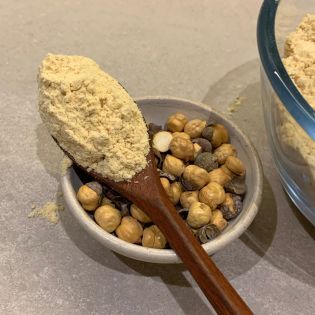
Rooted in age-old Indian traditions, Sattu flour, is making a powerful comeback as a modern-day superfood. Made by dry roasting and grinding Bengal gram (chana), or sometimes a mix of pulses and cereals, sattu is packed with nutrients, easy to digest, and incredibly versatile in Indian cooking. Once known as the humble farmer’s protein, sattu is now a favourite among fitness enthusiasts, home cooks, and anyone seeking simple, wholesome nutrition.
Nutritional Content for Sattu Flour (100g)
- Calories - 413 kcal
- Fats - 6.5 g
- Carbohydrates - 58 g
- Proteins - 22 g
- Dietary Fibre - 11 g
High in Plant-Based Protein
- Sattu contains about 22g of protein per 100g, making it
- one of the most affordable and accessible vegetarian sources of protein. It is
- especially beneficial for vegetarians and vegans who may struggle to meet their
- protein needs from a plant-based diet alone. The protein in sattu supports muscle
- repair, boosts metabolism, and promotes sustained energy levels. It is often
- consumed by athletes, manual workers, and children for strength and stamina. Even
- a small serving mixed with water or buttermilk can provide lasting energy and curb
- hunger between meals.
Excellent for Digestion
- Rich in insoluble fibre, sattu supports a clean and efficient
- digestive system. It helps prevent constipation by adding bulk to stool and promoting
- regular bowel movements. Unlike heavier flours, sattu is light on the stomach and
- doesn’t cause bloating or acidity. Its cooling effect makes it ideal during hot summers
- when digestion slows down. Sattu drinks, often mixed with cumin, lemon, and salt,
- are traditionally consumed to soothe the stomach and flush out toxins, making it a
- popular choice during detox routines and fasting days.
Helps Maintain Blood Sugar Levels
- Despite its carbohydrate content, sattu has a
- **low glycemic index**, which means it releases glucose slowly into the bloodstream.
- This helps regulate blood sugar levels and prevent spikes and crashes, making it a
- great option for diabetics or anyone managing insulin sensitivity. When combined
- with water or vegetables, sattu provides a balanced meal with fibre, protein, and
- complex carbs—all of which contribute to better glucose control. It also keeps you
- full for longer, reducing the tendency to overeat or snack on refined carbs.
Cooling and Hydrating
- In traditional Indian households, sattu is known as a “desi
- ORS” for its natural cooling and hydrating properties. During intense heat, it helps
- the body stay cool from within while replenishing lost minerals and salts. Sattu
- sharbat—a savoury or sweet drink made with roasted flour and chilled water—is a
- summer staple in states like Bihar and Uttar Pradesh. It prevents dehydration,
- improves stamina, and helps beat heat-induced fatigue or dizziness, making it an
- ideal pre-workout or mid-day refreshment.
Rich in Micronutrients
- Sattu is not just about macronutrients like protein and
- fibre—it’s also a great source of iron, magnesium, and calcium. Iron helps prevent
- anemia and improves oxygen flow throughout the body, while magnesium supports
- muscle function and nerve health. Calcium contributes to stronger bones and teeth.
- Together, these micronutrients play a vital role in improving immunity, reducing
- fatigue, and enhancing skin and hair health. Regular inclusion of sattu in your diet
- can contribute to overall vitality and endurance.
- Sattu flour is a timeless example of how simple, local ingredients can offer
- remarkable health benefits. Affordable, easy to prepare, and deeply nourishing, sattu
- is perfect for modern lifestyles that demand both speed and nutrition.