Types of Millets | Millet Guide | Different Millets in India | How to Use Millets
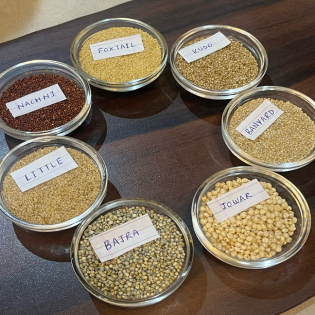
Millets are ancient grains that have been a part of traditional Indian diets for centuries. They are naturally gluten-free, rich in fiber, and packed with essential nutrients, making them a great alternative to refined grains. Each type of millet has its own unique taste, texture, and health benefits. Here’s a closer look at some commonly used millets:
Kodo Millet
- Kodo millet is a highly nutritious, easily digestible grain known for its high fiber content.
- It helps in managing weight by keeping you full for longer and reducing unnecessary
- cravings. This millet is also beneficial for people with diabetes as it helps regulate blood
- sugar levels. Rich in antioxidants, it supports overall health and helps fight inflammation.
- Kodo millet is commonly used in khichdi, pulao, and porridge-style dishes.
Bajra (Pearl Millet)
- Bajra is one of the most widely consumed millets in India, especially during winters. It is
- rich in iron, magnesium, and fiber, making it great for improving energy levels and
- digestion. Bajra helps in keeping the body warm and is known to support heart health by
- reducing cholesterol levels. It is also beneficial for people with anemia due to its iron
- content. Bajra is commonly used to make rotis and traditional dishes.
Jowar (Sorghum)
- Jowar is a versatile millet that is rich in protein, fiber, and essential minerals. It is great
- for digestive health and helps maintain steady blood sugar levels due to its low glycemic
- index. Being gluten-free, it is suitable for people with gluten intolerance. Jowar also
- supports heart health and helps in weight management. It is commonly used to make
- rotis, bhakris, and even snacks.
Little Millet
- Little millet is a small-grained millet packed with nutrients like iron, fiber, and B vitamins.
- It is easy to digest and helps in improving metabolism and energy levels. This millet is
- beneficial for managing diabetes and cholesterol levels. It also supports gut health due
- to its high fiber content. Little millet can be used as a substitute for rice in dishes like
- upma, khichdi, and pulao.
Barnyard Millet
- Barnyard millet is a fast-cooking millet that is low in calories and high in fiber. It is often
- consumed during fasting periods due to its light and nutritious nature. This millet helps
- in weight management and supports heart health by reducing cholesterol levels. It also
- aids in controlling blood sugar levels, making it suitable for diabetics. Barnyard millet is
- commonly used in khichdi, kheer, and pulao.
Foxtail Millet
- Foxtail millet is rich in protein, fiber, and essential minerals like iron and calcium. It helps
- in maintaining stable blood sugar levels and supports heart health. This millet is also
- known to improve digestion and boost energy levels. Its nutty flavor makes it a great
- addition to a variety of dishes. Foxtail millet is commonly used in upma, dosa, and rice
- alternatives.
Nachni (Ragi / Finger Millet)
- Nachni, also known as ragi, is one of the richest sources of calcium among plant-based
- foods. It is excellent for bone health and is often recommended for growing children and
- elderly individuals. Ragi is also high in fiber, which helps in digestion and weight
- management. It helps regulate blood sugar levels and keeps you full for longer. Nachni
- is widely used in porridges, rotis, dosa, and baked goods.
- Millets are a powerhouse of nutrition and a great addition to a balanced diet. From
- improving digestion and supporting heart health to managing blood sugar and boosting
- energy, each millet offers unique benefits. Including a variety of millets like kodo, bajra,
- jowar, little, barnyard, foxtail, and nachni in your meals can help you enjoy diverse
- flavors while nourishing your body naturally.